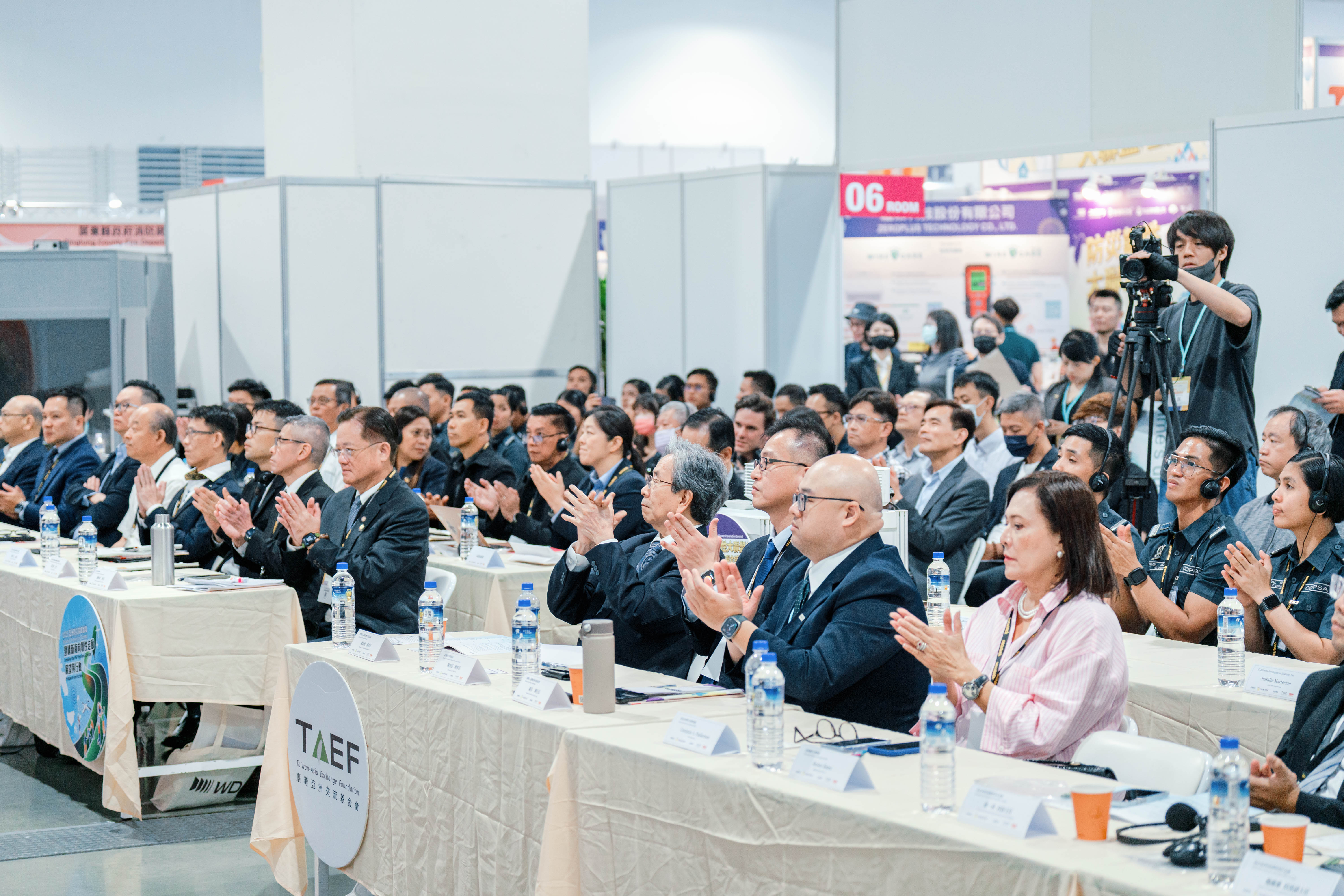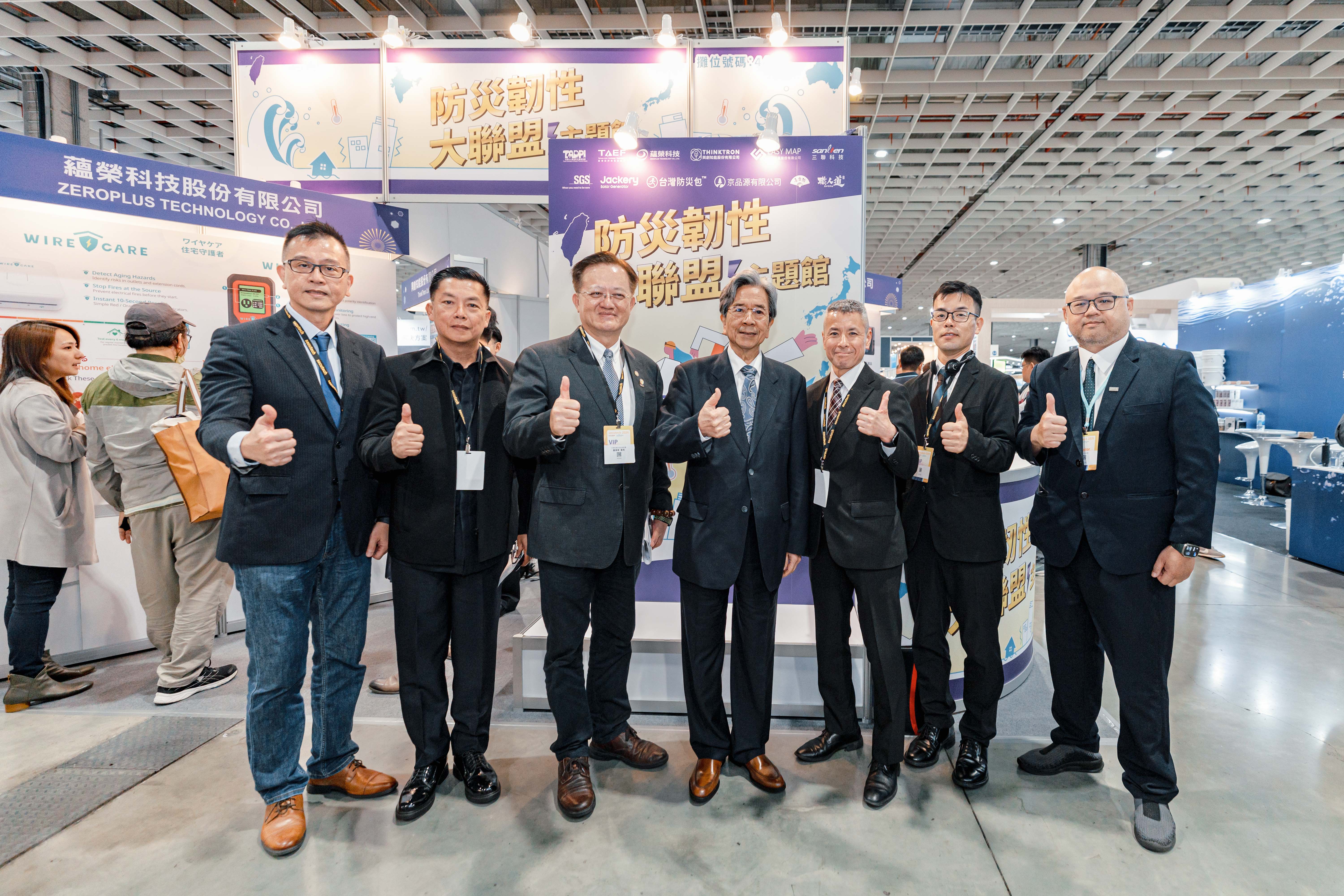
The “2026 Asia Disaster Prevention Summit” (Asia Disaster Prevention Summit), jointly organized by the Taiwan-Asia Exchange Foundation (TAEF) and the Taiwan Disaster Prevention Industry Association (TADPI), was grandly held yesterday (April 22) at the Taipei Nangang Exhibition Center. As part of Secutech 2026, the Taipei International Security Technology Application Expo, this year’s summit is themed “Enabling Disaster Resilience Alliance: Taiwan Practices, Indo-Pacific Synergy and Global Solutions.” The event brings together stakeholders from government, private enterprises, and non-governmental organizations (NGOs) to share practical experiences and insights in disaster prevention and response.
The summit features five sessions covering regional cooperation, industrial collaboration, technological applications, and societal resilience. It concludes with a roundtable discussion titled “Advancing Global Solutions Together.” Through cross-sector and cross-national exchanges, the summit aims to foster comprehensive disaster resilience strategies for the Indo-Pacific region.
Opening Remarks
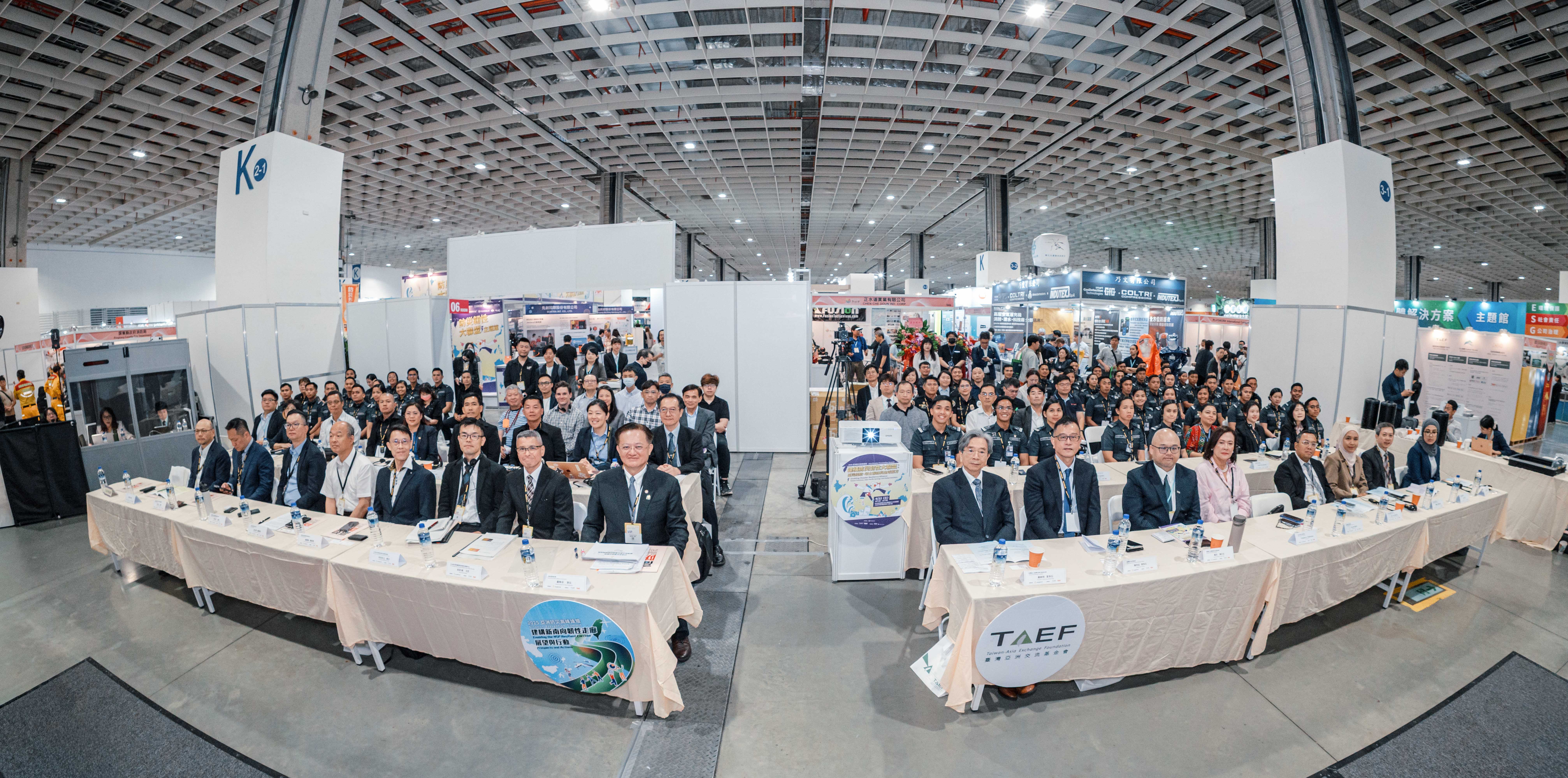
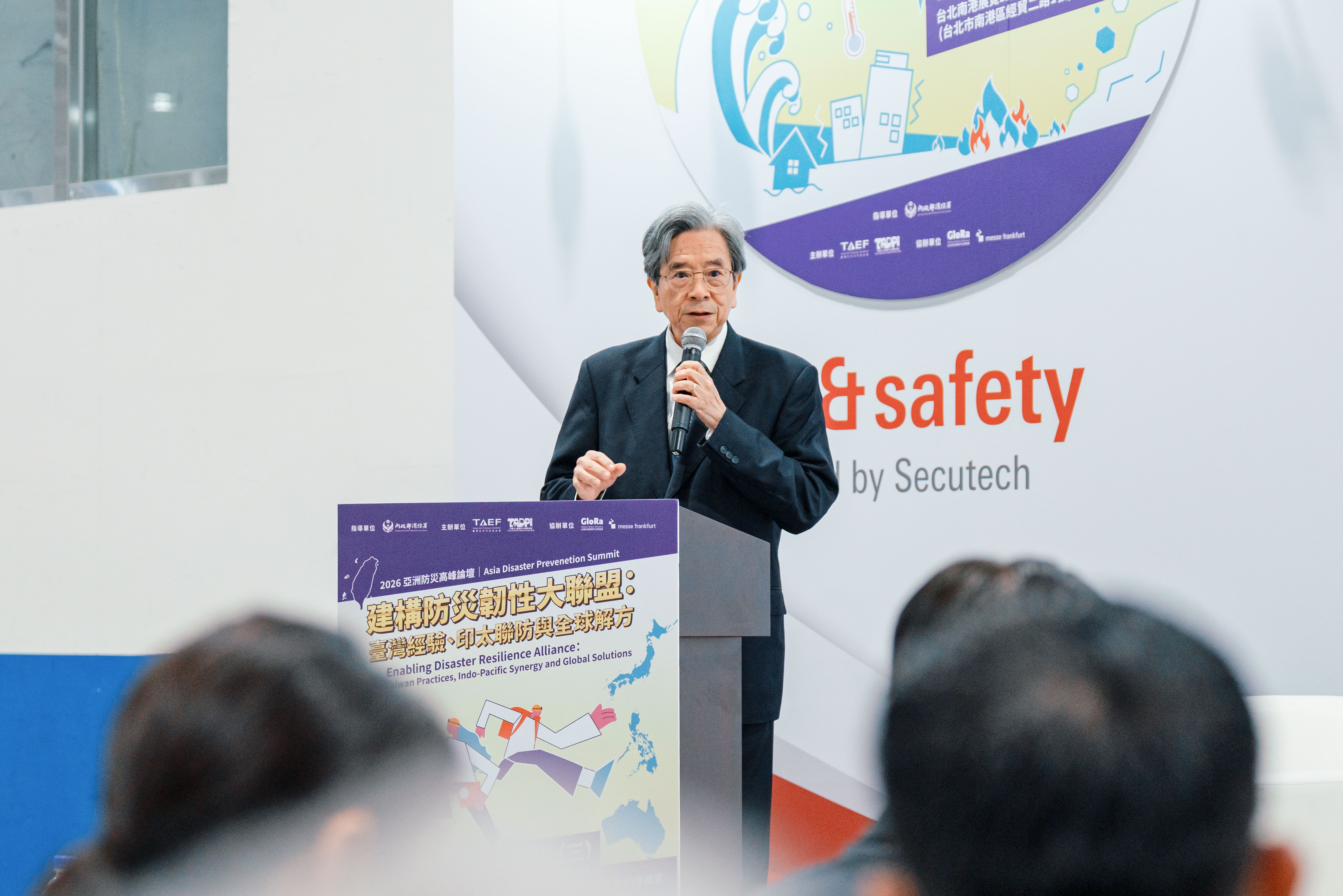
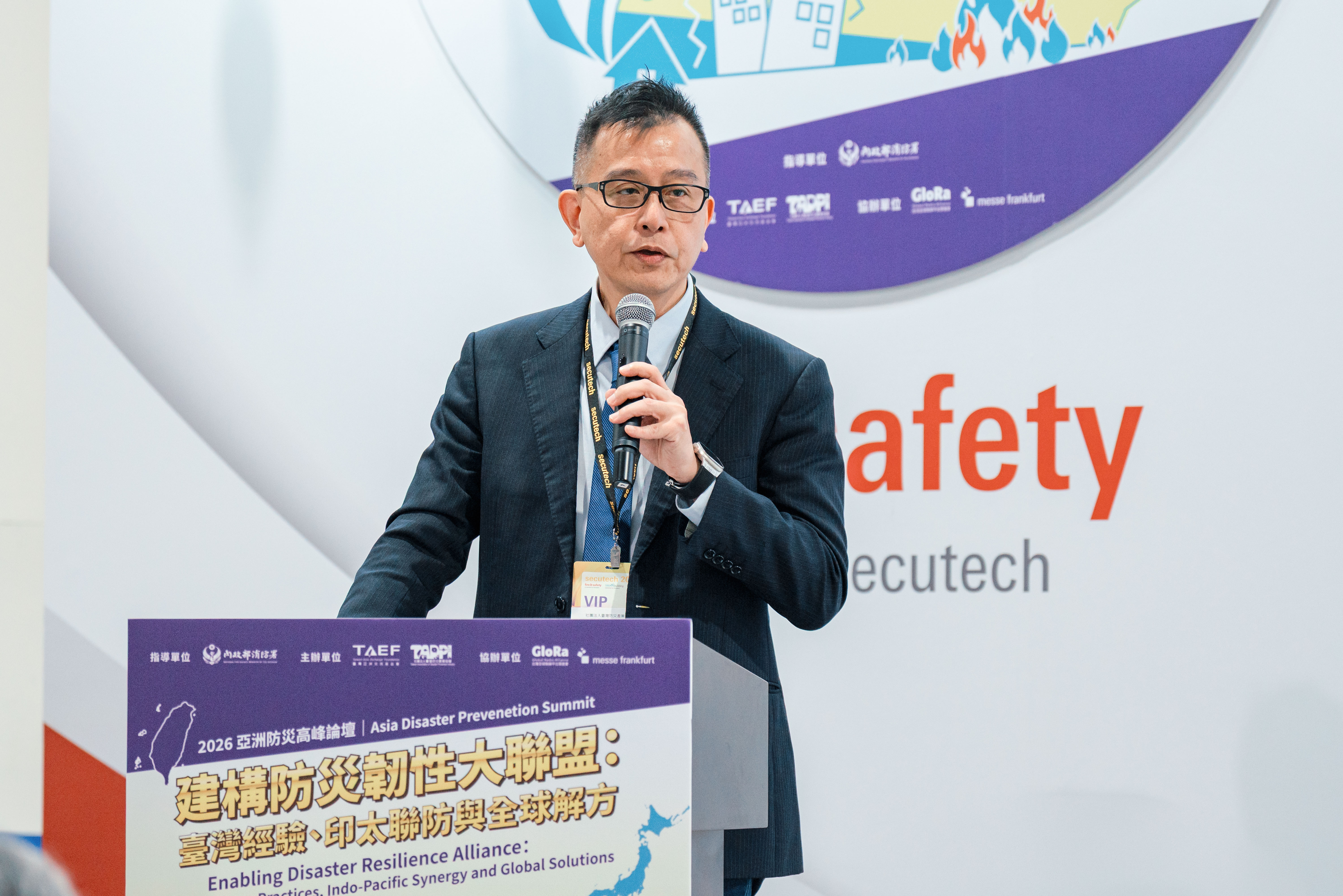
The summit opened with remarks by Director-General Huan-Chang Hsiao of the National Fire Agency, Ministry of the Interior, followed by Chairman Hsin-Huang Michael Hsiao of TAEF and Chairman Yi-Ting Chen of TADPI.
Director-General Huan-Chang Hsiao noted that Taiwan has accumulated extensive experience in disaster prevention and response. He expressed hope that the summit would serve as a platform for knowledge sharing and international exchange, enabling trainees visiting Taiwan to gain practical insights and explore future opportunities for collaboration.
Chairman Hsin-Huang Michael Hsiao emphasized that this year’s summit places greater focus on “resilience,” in line with President Lai Ching-te’s “New Southbound Policy Plus,” which prioritizes building resilient partnerships. He highlighted that 58 trainees from the Philippine fire service are currently receiving training at the Zhushan Training Center in Nantou, demonstrating Taiwan’s concrete contributions to international disaster cooperation and embodying the spirit of “Taiwan can help, Taiwan can lead.”
Chairman Yi-Ting Chen stated that efforts are underway to establish an Indo-Pacific disaster prevention alliance, with “information sharing” as a key pillar. He stressed the importance of open data platforms in creating more efficient and real-time information networks, and underscored the role of AI, drones, and community resource integration in strengthening disaster resilience at the local level.
 |  |  |
Sessions
The thematic sessions were opened by Dr. Hao Yang, CEO of TAEF, who highlighted the “Four I’s” framework for disaster prevention cooperation: Interest, Institution, Information Sharing, and Individual Citizen. He emphasized the importance of leveraging private sector participation and cross-sector collaboration to promote innovative technologies and translate them into practical solutions.
In the keynote session titled “Building Whole-of-Society Resilience: Taiwan’s Transformation and Growth after Major Disasters,” Director-General Huan-Chang Hsiao stressed that disaster response should not be treated as isolated incidents, but rather as a reflection of overall societal resilience. He noted that disaster management must be professionalized, supported by dedicated institutional frameworks and strengthened legal foundations. He also advocated for the establishment of Disaster Coordination Centers and Chief Resilience Officers at the local government level to enhance coordination and community integration.
Hsiao further shared that approximately 500,000 volunteers—referred to as “shovel heroes”—participated in relief efforts during the Hualien disaster last year. Effectively integrating such civic energy will be a key policy priority moving forward. He also noted that Taiwan currently has 110,000 certified disaster prevention specialists, with a target of reaching 200,000 by the end of this year.
Following this, Jun Ozaki, Senior Specialist of the Safety Promotion Division and Director of the Fire Technology Research and Development Center at the Tokyo Fire Department, introduced Japan’s advancements in smart firefighting. By incorporating AI systems and addressing emerging risks such as electric vehicle fires, Tokyo continues to enhance its disaster response capabilities and translate technological innovation into practical applications.
Panel Discussions
In Session 2, “Industrial Collaboration: Integrated Ready-to-Deploy Systems from Sensing to Command Centers,” Ming Xiang Technology Co., Ltd. shared its application of AIoT and image recognition technologies in disaster identification. These technologies enable real-time situational awareness, overcoming geographical and temporal limitations while improving decision-making efficiency and operational safety.
In Session 3, “Technology Application: Drone Defense and Anti-Jamming Communication,” CEO Yu-Wei Tung of Allwave Technology Co., Ltd. emphasized that as drone usage expands, the competition between jamming and anti-jamming technologies will become a critical factor influencing both industry development and national security.
In Session 4, “Societal Resilience: Community-Based Disaster Prevention,” Commissioner Hao-Che Ho of TADPI compared experiences from Taiwan, Belize, and Guatemala. He pointed out that while AI can enhance predictive accuracy, it cannot replace human judgment—particularly in interpreting different time scales. By integrating large datasets, AI can support early warnings and facilitate timely responses.
In Session 5, “Societal Resilience: FamilyMart’s Role in National Disaster Response,” Shih-Chieh Huang, Head of Data Innovation at FamilyMart, shared how the company collaborates with the National Science and Technology Center for Disaster Reduction (NCDR). Through big data applications, such as disaster dashboards and smart retail vehicles, FamilyMart demonstrates how public-private partnerships can contribute to disaster response efforts.
Roundtable Discussion
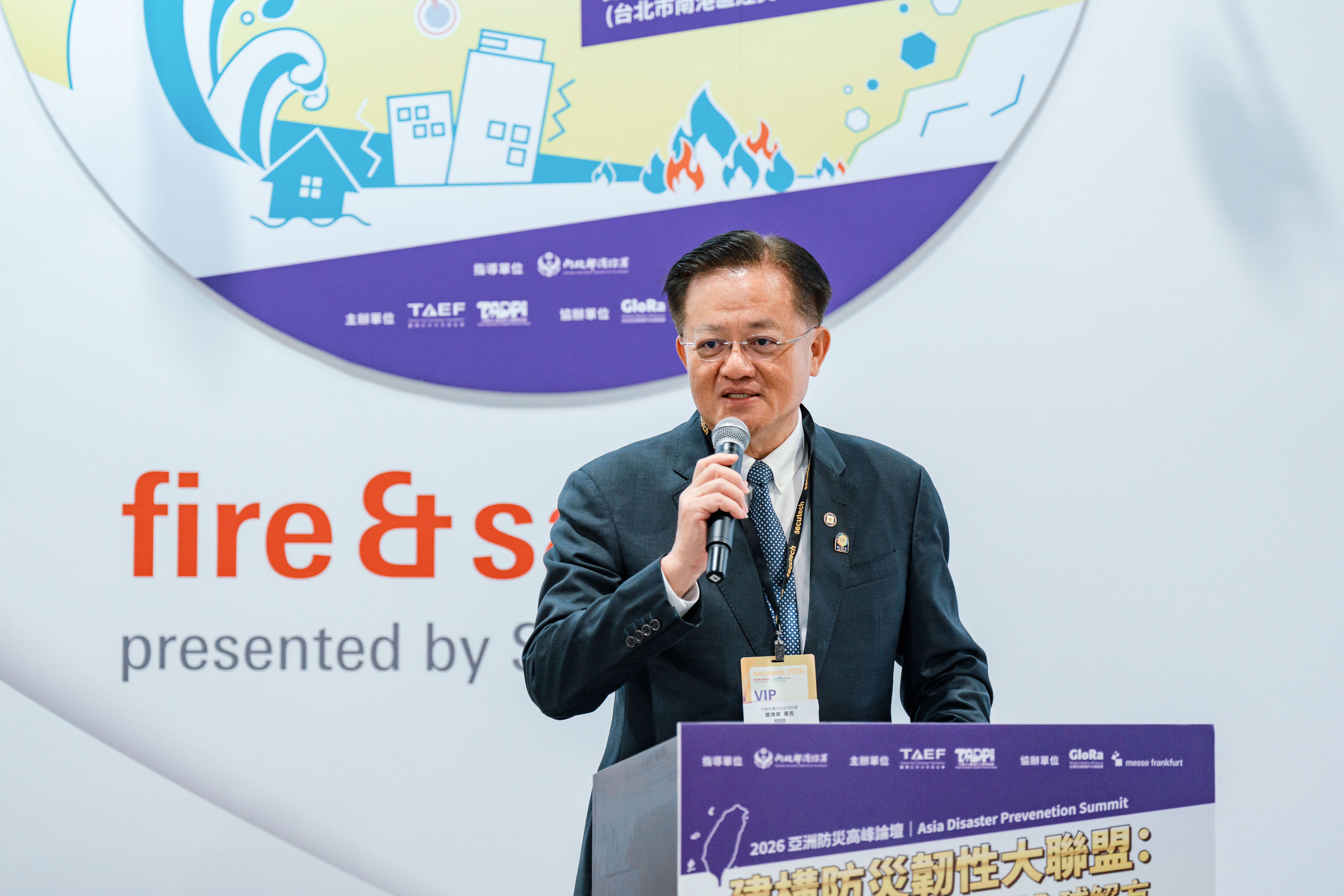
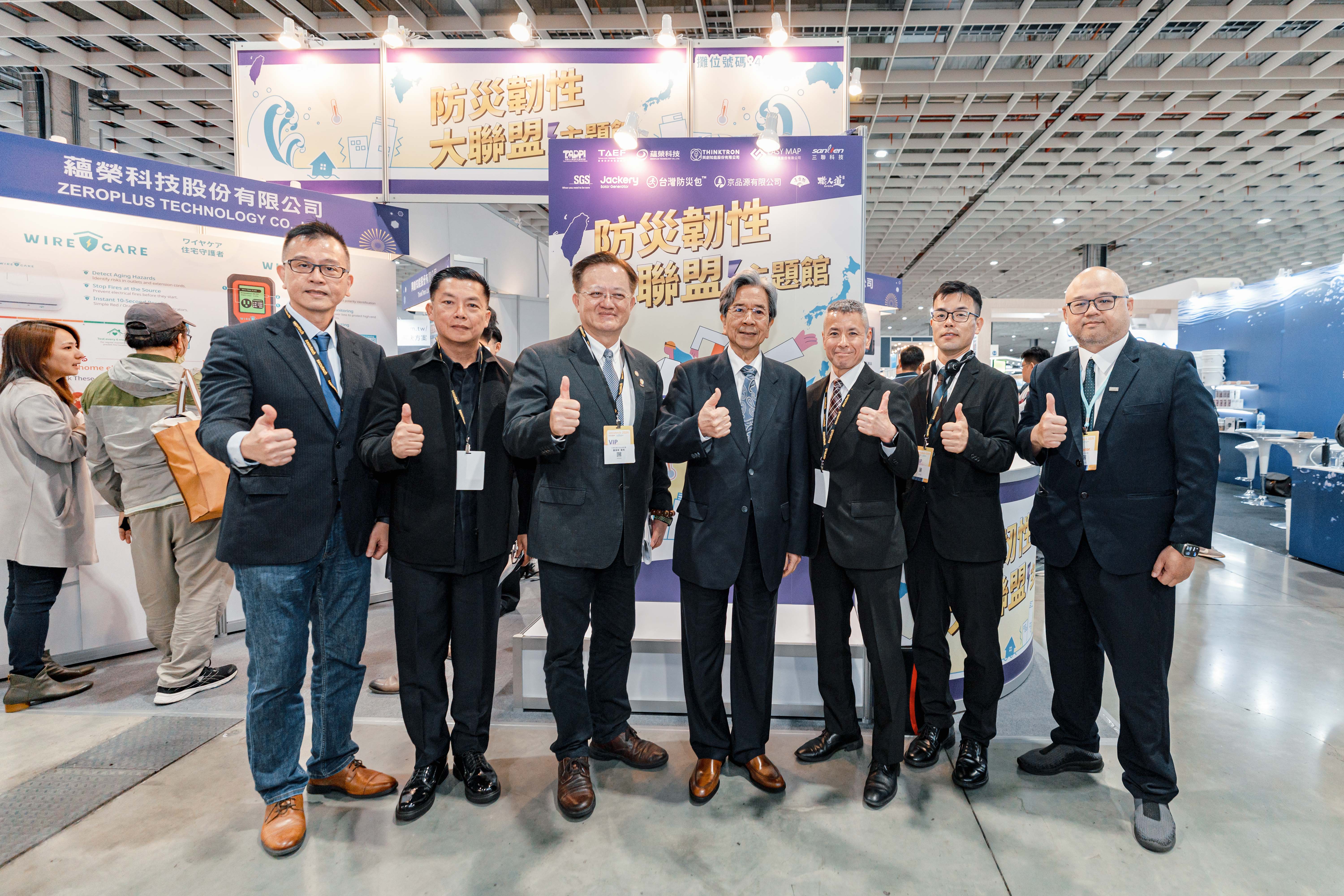
The summit concluded with a roundtable discussion titled “Advancing Global Solutions Together,” moderated by Dr. Hao Yang, CEO of TAEF. Panelists included Director-General Huan-Chang Hsiao, Jun Ozaki of the Tokyo Fire Department, and Randolph V. Bides from the Philippines.
Drawing on diverse national experiences, the speakers engaged in in-depth discussions on international cooperation, technological applications, and talent development in disaster prevention. They agreed that, in the face of increasingly complex disaster challenges, sustained dialogue and institutionalized collaboration are essential to developing practical and sustainable global solutions.