—About the Program—
TAEF advances the spirit of Taiwan’s New Southbound Policy Plus (NSP+) by strengthening civil society networks across Taiwan, Southeast Asia, and South Asia. Through structured dialogue, collaborative research, and knowledge-sharing initiatives, the Civil Society Connectivity Program fosters people-to-people connections, builds regional partnerships, and reinforces Taiwan’s role in the Indo-Pacific.Led by TAEF, the program works with a range of domestic and international partners, including NGOs and government stakeholders, namely Taiwan Alliance in International Development (Taiwan AID), to create platforms that enhance collaboration, amplify shared expertise, and deepen networks across civil society. In doing so, the program also contributes to Taiwan’s “warm power” and supports the practical implementation of NSP+ objectives in the region.This initiative seeks to implement the "people-centered" philosophy of the NSP+, emphasizing partnerships between individuals while strengthening the international and local networks of civil society and civic space in Asia.
1. Academic and Research Collaborations
TAEF works closely with leading academic institutions both in Taiwan and abroad, including IDE-JETRO, the SEASIA Consortium, Center for Southeast Asian Studies at National Chengchi University, National Chi Nan University, the South and Southeast Asia Association Taiwan, and the Taiwan Association of Southeast Asian Studies, to jointly organise seminars and forums focused on in-depth regional and NSP+-related research.
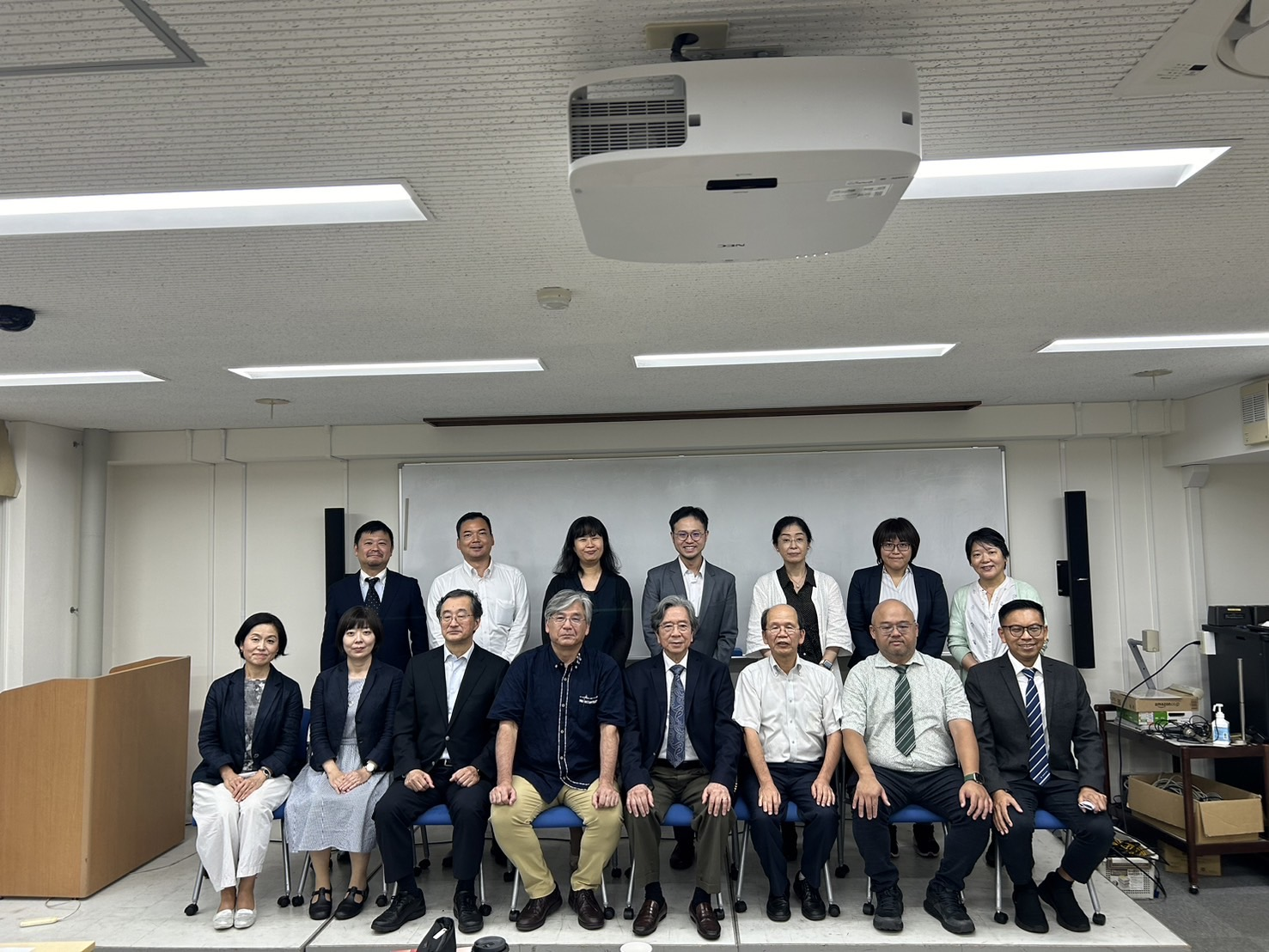
Each year, TAEF collaborates with IDE-JETRO to host a symposium on migrant rights; the most recent was held in Taipei in August 2025, featuring expert speakers from Japan, the UK, and Taiwan, as well as the Minister of Labour, NGOs working in the field, and the National Commission of Human Rights, who presented research and discussed policy solutions. This symposium is directly linked to TAEF’s international collaborative research projects, including Migrant Workers in Taiwan and Japan: Patterns, Issues, and Policies with IDE-JETRO, and Migration with Dignity in East Asia: Policy Comparison of Japan, South Korea, and Taiwan on Recruitment Fees for Migrant Workers, published in 2025 with Work Better Innovations (UK).
The program has also produced other policy-oriented research, such as Taiwan NGOs' International Assistance under COVID-19 Pandemic. These initiatives provide evidence-based insights that support informed policy-making and strengthen regional civil society networks.
2.Civil Society Networking and Policy Dialogue
The program creates platforms for NGOs and NPOs to engage in dialogue, build partnerships, and strengthen regional collaboration in line with NSP+ objectives. TAEF has co-organized events such as the New Immigrants and the New Southbound Policy Forum, as well as NGO workshops with Taiwan AID, fostering communication between civil society and government stakeholders and enabling practical cooperation across the region.
Through these initiatives, TAEF strengthens the capacity of civil society organizations, amplifies their impact, and supports the development of a more connected, resilient, and collaborative Indo-Pacific.
3. Cultural Exploration and People-to-People Exchange
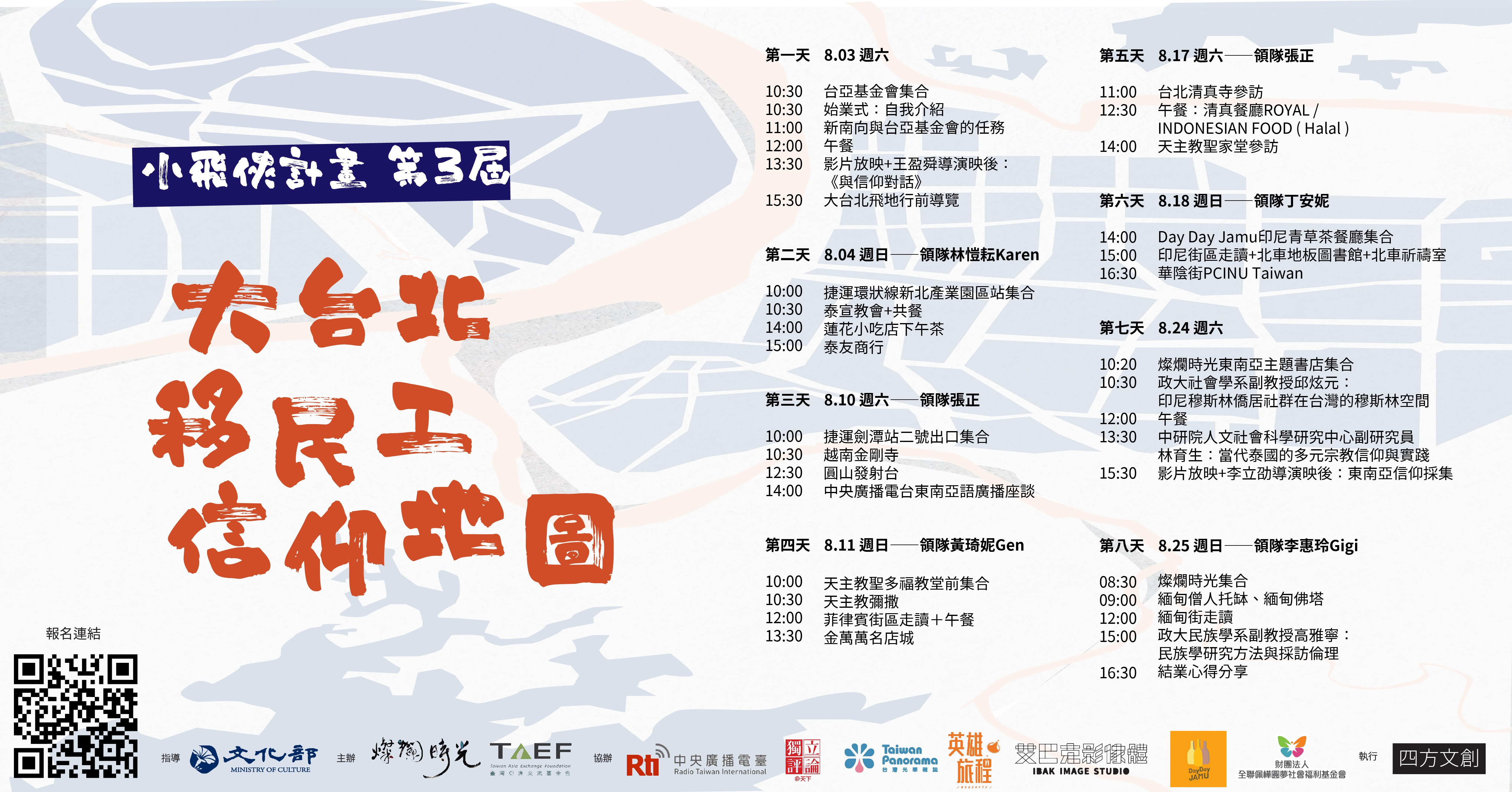
TAEF promotes cross-cultural understanding and hands-on engagement to connect communities and foster regional awareness. In collaboration with the Brilliant Time Bookstore, the program launched Ninja Summer Camp: Exploring Southeast Asian Enclaves, conducting field research to document social changes in Taiwan’s diverse ethnic groups.
Additionally, TAEF introduced the lecture series The Distance Between Us and Foreigners, providing opportunities for Taiwanese citizens to deepen their knowledge of Southeast Asia, understand regional social dynamics, and appreciate the importance of civic and cultural connectivity.
For more, please visit our youtube channel here