.jpg)
Taipei, August 6, 2026 — The Taiwan-Asia Exchange Foundation (TAEF) held its eighth anniversary forum, “TAEF’s Eighth Anniversary: Navigating the Prospect of the Indo-Pacific Future,” at the Shangri-La Far Eastern, Taipei, on August 6. The event brought together representatives from the government, legislature, diplomatic community, international think tanks, and Taiwan’s New Southbound Policy partner countries to discuss the future of the Indo-Pacific strategy, the New Southbound Policy, and regional cooperation.
Against the backdrop of a rapidly changing geopolitical environment, the forum focused on how collaboration between government and civil society can further strengthen Taiwan’s partnerships across the Indo-Pacific and enhance regional resilience.
TAEF Chairman Michael Hsin-Huang Hsiao noted that since its establishment, TAEF has evolved from supporting the implementation of the New Southbound Policy to advancing the New Southbound Policy Plus (NSP+) and Taiwan’s broader engagement with the Indo-Pacific. Throughout this process, the Foundation has continued to serve as an important platform for Taiwan’s think tank diplomacy.
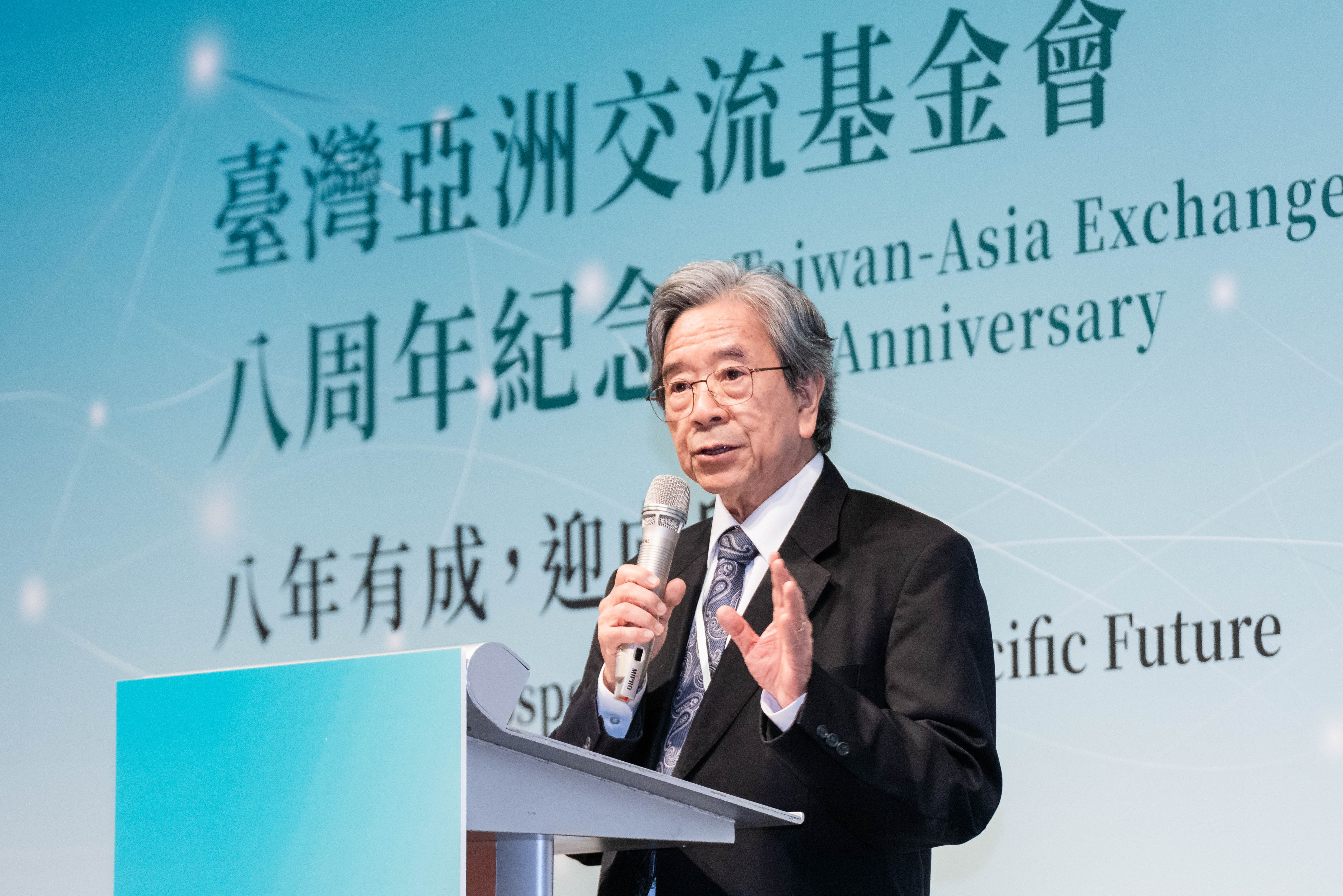
Over the past eight years, TAEF has co-organized nine editions of the Yushan Forum with the Ministry of Foreign Affairs, established the Asia Engagement Consortium (AEC), and developed bilateral and multilateral cooperation mechanisms through platforms such as the Taiwan-Japan Forum on Asia-Pacific Economic and Trade Relations and the Indo-Pacific Think Tank Summit. Looking ahead, TAEF will continue to deepen cooperation with Indo-Pacific partners, including the Philippines, while further expanding Taiwan’s international partnership network.
Chairman Hsiao also outlined TAEF’s future direction through the concept of the “Five Makes”: Make Values, Make Profit, Make Friends, Make Jobs, and Make Families. Through these five pillars, TAEF aims to further connect think tanks around the world, deepen policy research as well as bilateral and multilateral dialogue, and strengthen Taiwan’s international influence across the Indo-Pacific.
Ger Bau-Shuan, Administrative Deputy Minister of Foreign Affairs, recalled that he was serving as Director-General of the Department of East Asian and Pacific Affairs at the Ministry of Foreign Affairs when TAEF was established in 2018 and was personally involved in the Foundation’s preparations. Having witnessed TAEF’s development since its inception, Ger commended the Foundation for its longstanding role in supporting the government’s New Southbound Policy.
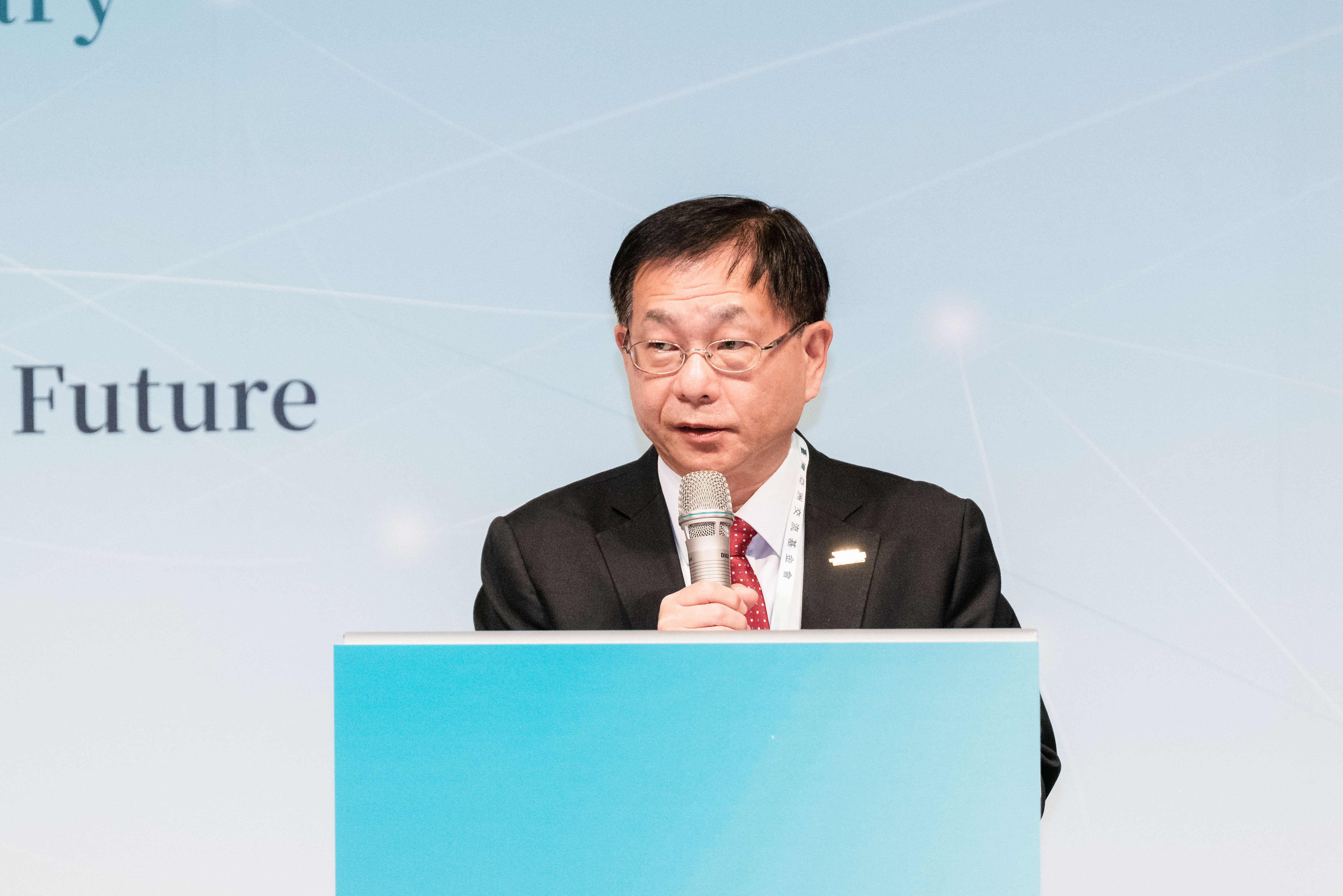
He also highlighted TAEF’s collaboration with the Ministry of Foreign Affairs in developing the Yushan Forum into an important international platform showcasing Taiwan’s achievements under the New Southbound Policy. Looking ahead, he expressed hope that TAEF would continue to leverage Taiwan’s strengths in technology, democracy, and geostrategic positioning to deepen exchanges and cooperation with Indo-Pacific partners.
Ninad Deshpande, Director General of the India Taipei Association, said that TAEF has consistently promoted regional dialogue and people-to-people exchanges across the Indo-Pacific, successfully connecting government, academia, and industry and becoming an important platform for advancing regional cooperation.
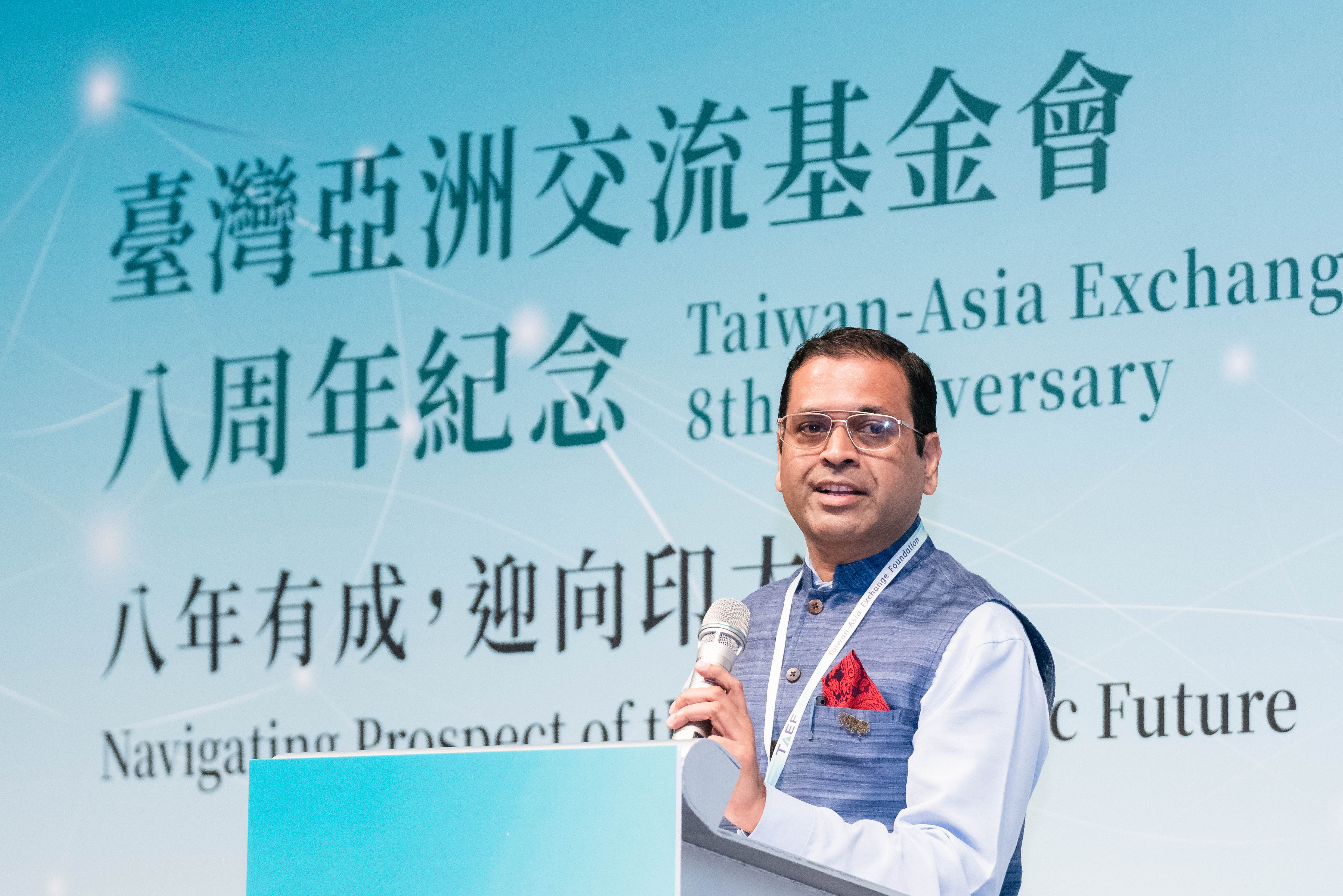
Deshpande noted that within the broader Indo-Pacific strategic framework, India is rapidly emerging as an important industrial partner for Taiwan. In addition to expanding cooperation in semiconductors, high technology, healthcare, and research and development, the two sides are also looking to strengthen industrial linkages through greater collaboration in education, innovation, and talent exchanges.
Timothy Seow, Deputy Representative of the Singapore Trade Office in Taipei, highlighted the longstanding and close economic and trade relationship between Taiwan and Singapore, noting that Singapore has become an important partner in Taiwan’s engagement with Southeast Asia.
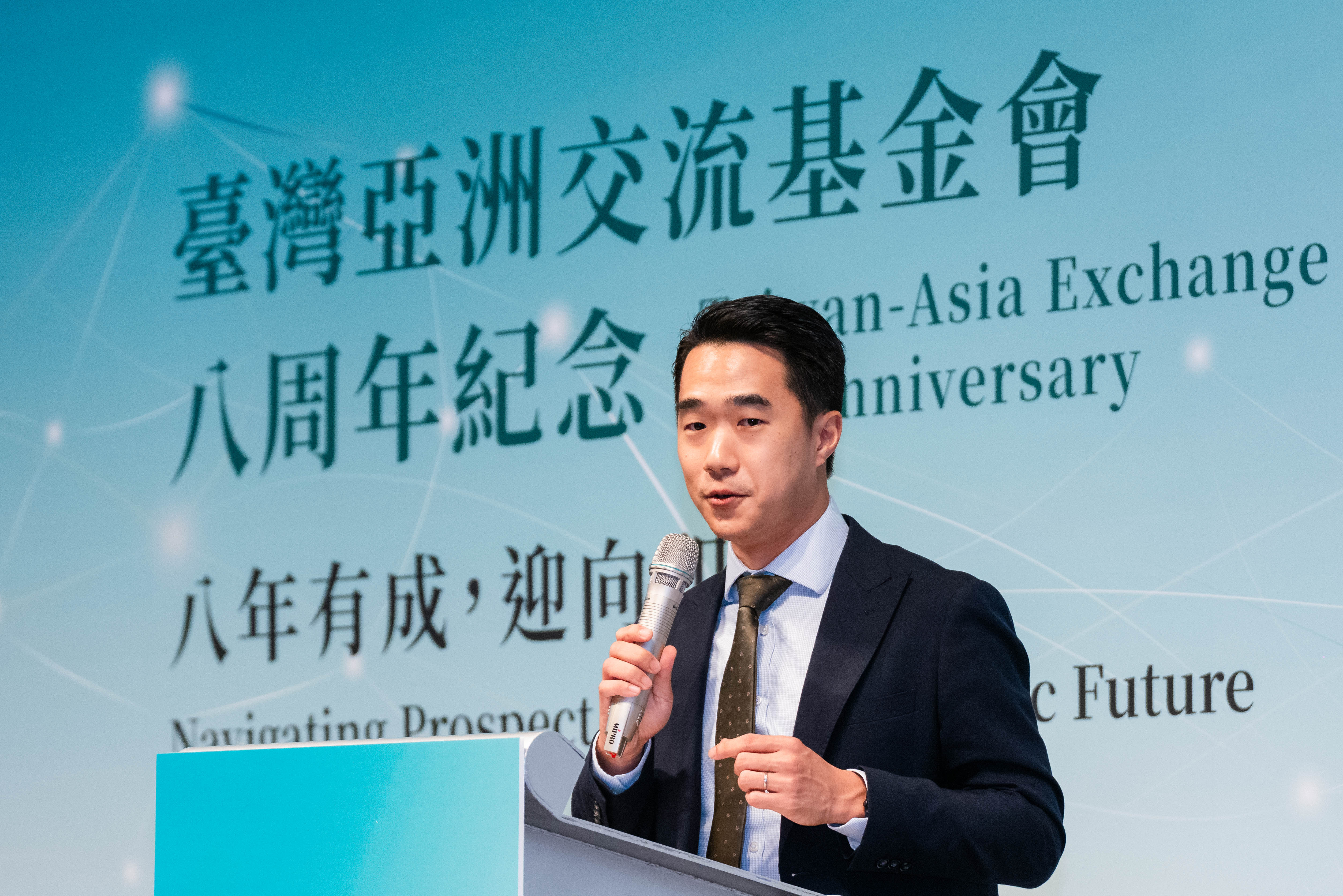
Taiwan, Singapore, Southeast Asia, and India have developed closely interconnected electronics and semiconductor supply chains, while Singapore’s strengths in logistics, finance, and regional business operations have made it an important hub for Taiwanese companies seeking to expand into Southeast Asian markets.
Looking ahead, Seow expressed hope that the TAEF platform would help further deepen nongovernmental cooperation between Taiwan and Singapore in areas including people-to-people exchanges, youth development, civil society, and resilience, thereby further expanding their partnership within the Indo-Pacific.
The forum concluded with TAEF and distinguished guests from Taiwan and abroad celebrating the Foundation’s eighth anniversary. TAEF reaffirmed its commitment to working closely with government agencies, think tanks, and international partners to deepen cooperation across the Indo-Pacific and jointly advance peace, prosperity, and sustainable development.
Over the years, the Yushan Forum has emerged as a flagship platform for policy dialogue and innovation in Asia, reflecting Taiwan’s increasingly robust participation in regional and global affairs. Looking ahead, TAEF will continue to enhance Taiwan’s international visibility and substantive participation through initiatives such as the NGO Leaders Forum scheduled for October, while strengthening its partnerships throughout the Indo-Pacific.